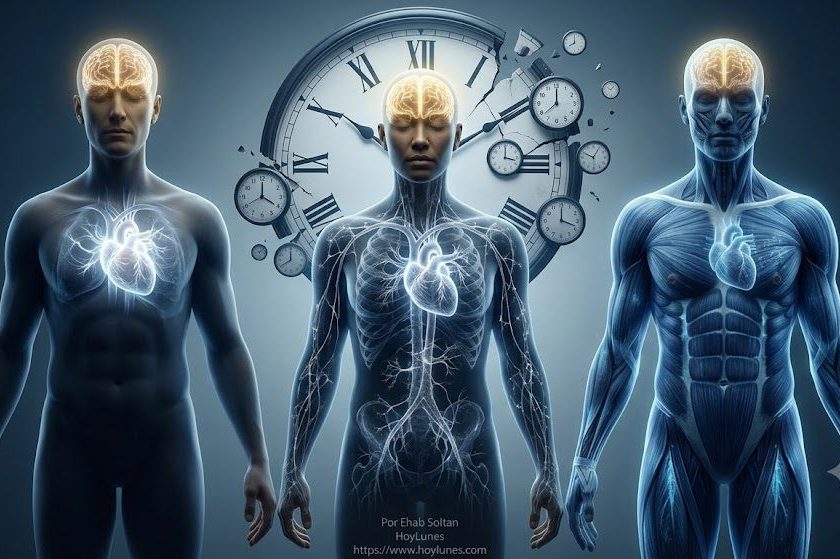
Spring fatigue isn’t tiredness: it is the signal of a biology that has lost its ability to respond to the environment.
By Ehab Soltan
HoyLunes — Every spring, the same thing happens: the environment activates, but you do not. It is not a lack of willpower; it is a purely biological cause. Your organism has stopped recognizing the seasonal change as an operational signal. The days lengthen and the temperature rises, but your internal markers —cortisol, melatonin, and metabolic rate— remain locked in a linear state.
This disconnection generates a direct conflict. While the environment demands activation, the body tries to maintain the inertia of previous months. The result is not fatigue, it is an evolutionary dissonance. In simple terms: your body wants to start up, but it remains trapped in power-saving mode.
Adaptation is not an option; it is a mechanical function
Conventional medicine attempts to explain this as a chemical problem, often treating it as a neurotransmitter imbalance or a vitamin deficiency. This is a partial view. The problem is not chemical; it is contextual. The human body is, by definition, an environmental response system. Historically, the transition from winter to spring implied a profound physical transformation: the change in the solar light spectrum modified the synthesis of steroid hormones, and the availability of nutrients forced the liver to recalibrate its metabolic pathway.
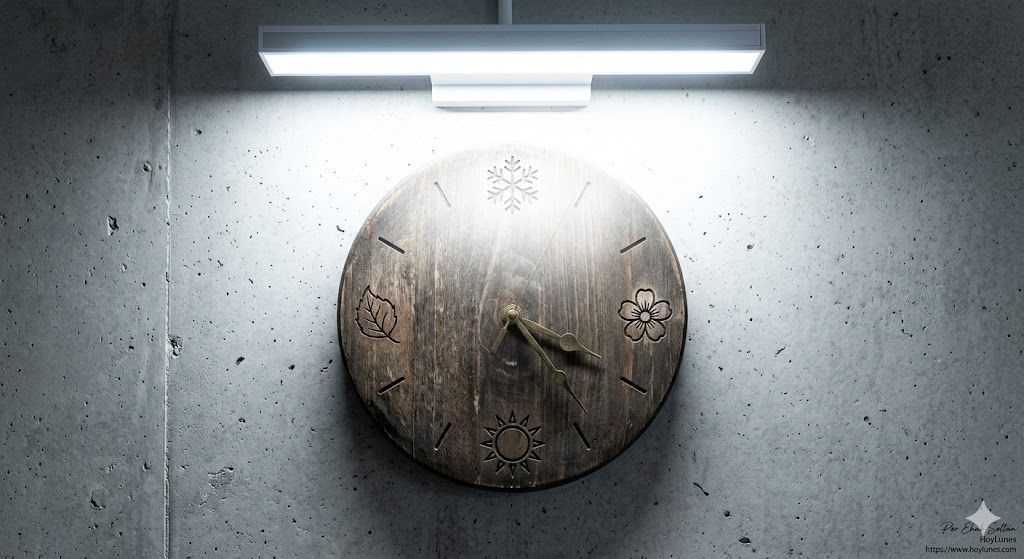
Today, that process has been interrupted. The modern human being lives in an “eternal artificial spring” of 21°C and constant light. By eliminating the rigor of winter, we have atrophied the biological machinery that allows us to transition toward the heat.

The winter that never happened
The premise is clear: you cannot have a functional spring if you haven’t had a biological winter. Winter is designed for energy conservation and autophagy (cellular cleanup). However, the current lifestyle cancels out these critical signals:
Temperature: Constant heating inhibits the production of brown fat, which is responsible for thermogenesis.
Photoperiod: Nocturnal blue light prevents the brain from registering the hours of true darkness.
Nutrition: Consuming the same carbohydrates in January as in May eliminates the natural cyclicity of insulin.
By the time April arrives, the organism is exhausted—not because of the cold, but because of the effort of having pretended that winter did not exist. You reach the new season without having changed phases.
Case Study: The loss of thermal variability
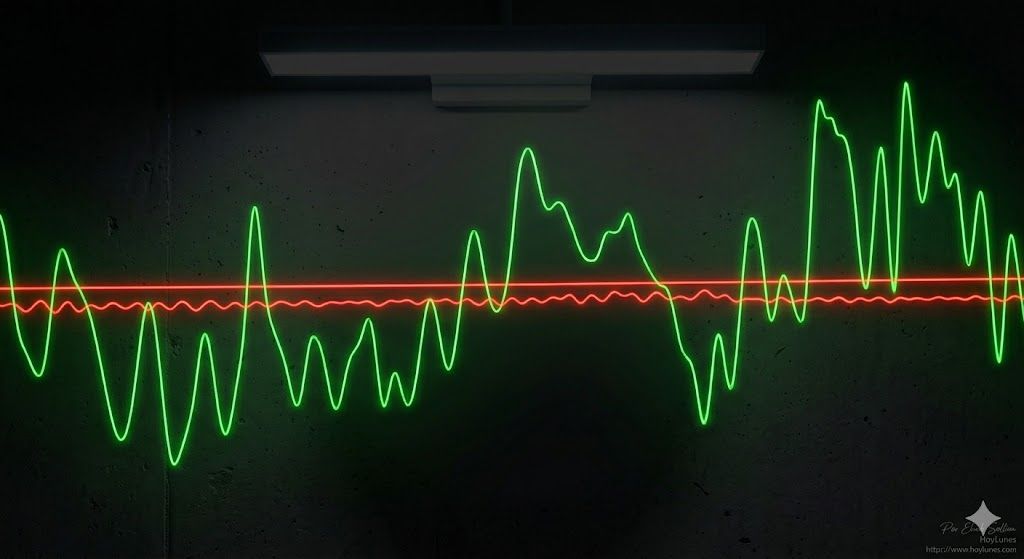
This is not an intuition; it is already being measured. A study published in Scientific Reports analyzed how exposure to constant indoor temperatures reduces Heart Rate Variability (HRV), a critical marker of the health of the autonomic nervous system. Subjects living in environments with perfect climate control showed a lower capacity to respond to changes in external light and temperature.
The case of workers in office environments with controlled lighting is the most evident example. Upon going outside in spring, their immune system interprets pollen and solar radiation not as signals of life, but as aggressions. Allergy and fatigue are, in reality, the desperate defense of a body that has lost the practice of interacting with the real world.
Metabolic rigidity: The price of convenience
Research in Nature Reviews Endocrinology supports that metabolic seasonality is key to preventing chronic diseases. When the body loses the ability to alternate its energy sources according to the season, it develops metabolic rigidity.
A rigid organism does not know how to respond when the environment changes. Instead of converting the increase in light into vitality, the endocrine system collapses trying to maintain the consumption rhythm of previous months. The fatigue you experience is your system attempting to force a reboot it no longer knows how to execute.
Isolated solutions for systemic problems
The wellness industry remains focused on supplements or tracking apps. This is an approach that ignores the architecture of the problem. The current market offers patches for the symptom, but not tools for the recovery of seasonal function.
There is a critical niche for companies that decide to redesign the human environment: architectures that integrate circadian light cycles, nutrition systems based on actual soil availability, and performance protocols that respect the photoperiod. The economic potential is not in selling more energy, but in selling adaptability; in returning to the body the faculty to regulate itself without depending on artificial stimuli.
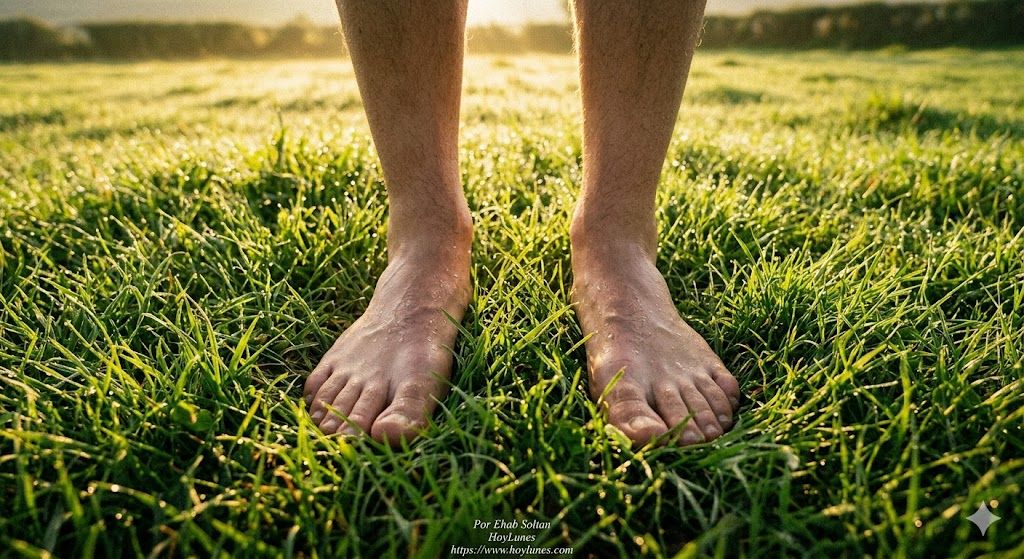
Try this tomorrow: Go outside for 10 minutes upon waking up, without sunglasses and without a mobile phone. It is not for relaxation; it is so your body can biologically register that the environment has changed. It seems insignificant, but it is a signal of profound recalibration.
The end of linear homeostasis
Health does not consist of keeping the body the same throughout the year. That stability is a dangerous illusion that weakens us. True biological resilience resides in fluctuation: in the ability to be a different organism in winter than in summer.
If spring exhausts you, understand that your biology is trying to reconnect with a cycle you have ignored for months. Fatigue is the reminder that we are biological beings trapped in a technological environment that has forgotten the seasons. To recover energy, we must first allow our body to go through winter again, instead of continuing to pretend it doesn’t exist.
Supporting Research
Hormonal Seasonality: Nature Reviews Endocrinology (2020). Analyzes how seasonal rhythms regulate metabolism and immune function.
Thermoregulation and Health: Journal of Physiological Anthropology. A study on how constant thermal environments degrade metabolic capacity.
Chronobiology: Harvard Medical School. The impact of artificial light on the desynchronization of seasonal rhythms.
#HumanBiology #Metabolism #SystemicHealth #BiologicalStrategy #HoyLunes #EhabSoltan #Resilience